
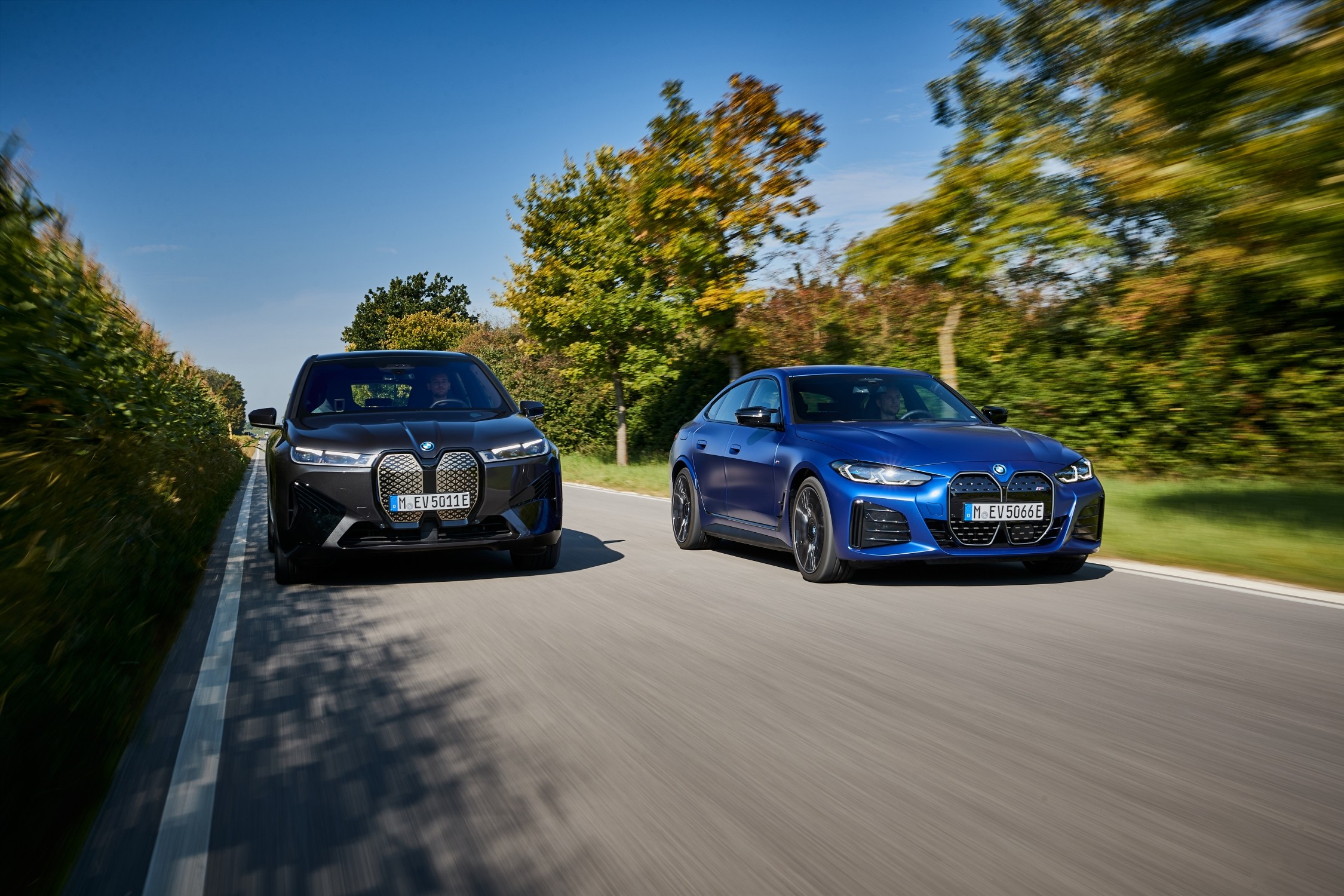
BMW EV recall 25V395 puts software, not styling or range, at the center of the owner question.
The campaign covers more than 70,000 electric vehicles in the United States.
It affects select BMW i4, iX, i7 and i5 vehicles, according to BMW and NHTSA recall materials.
For owners, the practical move is simple: check the VIN, then follow BMW’s repair instructions.
What Happened In BMW EV Recall 25V395
BMW has a U.S. recall campaign listed as 25V395 for a potential drive motor software issue in select electric vehicles. The recall context comes from NHTSA recall materials, BMW’s recall lookup and BMW technical guidance dated June 13, 2025.
The affected vehicle families named for this campaign include the BMW i4, iX, i7 and i5. That does not mean every vehicle with one of those badges is automatically included. Recalls are tied to production details, vehicle configuration and VIN-level eligibility, so the VIN check matters more than the model name alone.
That distinction is the useful part for owners. A BMW or NHTSA VIN lookup connects the campaign to a specific vehicle instead of relying on trim names, model-year guesses or social media summaries.
Why This Recall Matters For EV Owners
Electric vehicles rely on software to manage drive systems, charging behavior, driver displays and safety-related functions. When a recall centers on drive motor software, the question is not only whether the car feels normal today. It is whether the vehicle’s control logic matches the manufacturer’s current safety remedy.
That makes BMW EV recall 25V395 relevant even for owners who have not noticed a problem. Recall eligibility depends on the vehicle and the official campaign, not only on symptoms.
The takeaway is practical rather than dramatic: keep the VIN handy, watch for BMW recall notices and treat the model list as a starting point, not the final answer.
What Is Confirmed
BMW and NHTSA recall materials support these core points:
- BMW recall campaign 25V395 concerns a potential drive motor software issue.
- The campaign affects more than 70,000 BMW electric vehicles in the United States.
- Select i4, iX, i7 and i5 vehicles are named in the recall scope.
- BMW technical guidance dated June 13, 2025, is part of the recall context.
- Owners should use BMW or NHTSA VIN-based recall tools to check whether a specific vehicle is included.
Those points are enough for a useful owner explainer without stretching into unsupported claims about every BMW EV, every software version or every repair path.
What Not To Assume From The Headline
A recall headline can sound broader than the actual campaign. This one should not be read as a blanket statement about all BMW electric vehicles.
Do not assume every i4, iX, i7 or i5 is included. Do not assume the featured image shows a recalled vehicle. Do not assume the remedy is identical for every owner before checking the official recall path.
It is also better not to jump from the recall number to legal, resale or compensation conclusions. The public owner action is narrower: verify the VIN and follow the repair instructions tied to that vehicle.
Practical Impact: What Owners Should Do Next
Start with the VIN. It is usually visible through vehicle documents, insurance records or the vehicle itself. Use that VIN in BMW’s recall lookup or the NHTSA recall lookup to see whether campaign 25V395 applies.
If the vehicle appears in the recall, follow BMW’s official repair process. Repair timing and the exact service path can depend on the vehicle and BMW’s instructions, so the VIN-specific result matters more than a general headline.
If the vehicle does not appear in the recall lookup, keep normal service records and check again if BMW or NHTSA updates the campaign information. Recall databases are useful because they answer the exact ownership question instead of stopping at a broad model list.
What To Watch Next
Owners should watch for three things: a mailed or digital notice from BMW, an updated VIN result in BMW or NHTSA tools, and service guidance that explains the approved remedy for the specific vehicle.
Tech-minded owners may also want to keep an eye on how automakers describe software-related recalls. Modern EVs are not just mechanical products with screens attached. Their drive systems, diagnostics and service paths increasingly depend on software decisions that owners rarely see directly.
That is the larger lesson from this BMW recall: the most useful question is not whether a model name appears in a headline. It is whether the specific vehicle’s VIN is included and what the official repair path says.
Sources
- NHTSA recall acknowledgement for campaign 25V395.
- Updated NHTSA Part 573 recall report.
- BMW USA recall lookup.
- BMW technical FAQ dated June 13, 2025.
Related articles
- Volkswagen ID.4: EV Platform, Charging, Software, and Safety Tech
- Volkswagen ID. Buzz: Electric Van Tech, Packaging, and Limits
- Highway Driving Assist (HDA)
- What Is the Kia Connected Car Navigation Cockpit?
FAQ
What is BMW EV recall 25V395?
BMW EV recall 25V395 is a U.S. recall campaign involving a potential drive motor software issue in select BMW electric vehicles.
Which BMW EV models are named in this recall scope?
The recall scope names select BMW i4, iX, i7 and i5 vehicles. Owners should use a VIN lookup because model name alone is not enough.
Does this mean every BMW i4, iX, i7 or i5 is recalled?
No. Recall eligibility depends on the specific vehicle. A VIN-based BMW or NHTSA lookup is the practical way to check.
What should owners do first?
Owners should check their VIN through BMW’s recall lookup or NHTSA’s recall resources, then follow the official repair instructions for that vehicle.
Is the featured photo proof that those exact vehicles are recalled?
No. The image is an official BMW press photo used for editorial context. Recall status should be checked by VIN.