
Highway Driving Assist can sound straightforward on a window sticker.
The harder question is what that label means on the exact vehicle in front of you.
A confident feature name should not replace careful evidence.
Before you treat HDA as a major buying point, verify what the specific car actually supports.
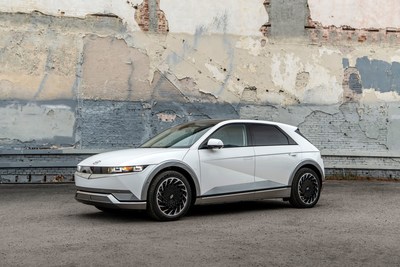
2022 Hyundai IONIQ 5 press photo. Image: Hyundai Motor America / PRNewswire.
What HDA Should Mean To A Buyer
Highway Driving Assist is best treated as driver-assistance wording, not a promise that the vehicle drives itself.
That distinction matters because a feature name can describe a packaged assistance function, a marketing label, or equipment that varies by vehicle details. The practical buyer question is not whether the acronym sounds advanced. It is whether the specific vehicle has the equipment, controls, documentation, and behavior you expect.
A careful check helps you avoid two expensive assumptions: that every similar model has the same feature, and that driver-assistance language means autonomous or hands-free driving.
Start With The Exact Vehicle, Not The Acronym
Begin with the exact vehicle being discussed: model, model year, trim, package, market context, and seller-provided support where available.
Do not rely only on a listing headline. Listings can compress feature names, reuse generic trim descriptions, or copy equipment language that does not match the vehicle being sold.
Useful evidence can include the original window sticker, owner materials, in-car settings, seller-provided equipment details, and a test drive where relevant controls and warnings can be observed. No single item is a universal guarantee, but the pattern across them gives you a stronger basis for valuing the feature.
Keep HDA Separate From Self-Driving Claims
The core rule is simple: driver assistance still leaves the driver responsible for the drive.
HDA should not be read as autonomous driving. It also should not be treated as proof of hands-free capability. If a seller, listing, or video uses more absolute language than the vehicle documentation, treat that as a reason to slow down and ask better questions.
Instead of asking, "Does it drive itself?" ask, "What driver-assistance features are listed for this exact vehicle, and what does the owner material say about driver involvement?"
That question keeps the conversation grounded in evidence.
Why HDA 2 Mentions Need Extra Care
Some listings or discussions may mention HDA 2. That label still needs exact-vehicle verification.
A higher-looking name can make a buyer assume a major capability difference, but the label alone is not enough to value the feature. Confirm what the vehicle includes, what the controls show, and what the official materials describe.
If the available evidence only says "HDA" or "Highway Driving Assist," avoid upgrading the claim in your notes. If a seller says the car has HDA 2, ask for the document or vehicle evidence that supports that wording.
Questions To Ask A Seller
Use plain questions that require specific answers.
Ask whether the feature appears in the equipment information for that vehicle. Ask where it appears in the vehicle interface or documentation. Ask whether any driver-assistance features are unavailable, disabled, or affected by dashboard warnings.
If you are buying remotely, ask for photos or video of the relevant screens and documents. If you are buying in person, review those materials before assigning value to the feature.
The goal is not to turn the purchase into a technical audit. It is to avoid paying for a vague acronym that the exact vehicle may not support in the way you expect.
What To Watch During A Test Drive
A test drive can help you understand the vehicle interface, but it should be treated as supporting evidence.
Look for the names, icons, controls, and messages the vehicle presents. Check whether driver-assistance features appear as expected in settings or displays. Notice any limitations, warnings, or unavailable messages.
Do not turn a short test drive into a safety experiment. Do not assume a feature is present simply because a screen has related driver-assistance language. Also do not assume one brief behavior proves the full feature set.
Use the test drive to confirm and compare, not as your only source of truth.
How To Compare Two Cars With HDA Language
When two cars both mention Highway Driving Assist, compare the evidence behind the words.
One car may have clearer equipment records. Another may have better seller documentation. A third may use similar wording in a listing but provide little support when you ask for details.
For a practical comparison, create a short note for each vehicle:
- Exact model, year, trim, and package information available.
- Where HDA or related driver-assistance wording appears.
- What documents or seller evidence support the claim.
- What the vehicle interface shows.
- Any unanswered questions before purchase.
This keeps the decision focused on verifiable details instead of feature-name excitement.
When HDA Should Affect Your Decision
HDA can matter if you often drive on highways and care about driver-assistance features. It can also matter when you are comparing similar vehicles and one has stronger documented equipment.
But it should not outweigh basics such as condition, maintenance history, price fit, warranty context, inspection results, charging or fuel needs, and daily usability. A driver-assistance label is one part of the vehicle, not the whole purchase.
If the evidence is clear, you can treat HDA as a useful feature to consider. If the evidence is thin, treat it as a question to resolve before you assign value to it.
A Simple Buyer Checklist
Before you rely on a Highway Driving Assist claim, check these points:
- The exact vehicle details match the listing.
- The seller can show equipment evidence for that vehicle.
- Owner material or the vehicle interface supports the feature wording.
- The feature is not being described as self-driving or hands-free unless official evidence supports that exact claim.
- You understand that driver-assistance features still require attentive driving.
- Any HDA 2 wording is supported by specific vehicle evidence.
- The feature remains one part of the broader buying decision.
If one point is missing, the answer is not automatically no. It means the claim needs more support before it should influence your purchase.
Read More
Bottom Line
Highway Driving Assist is worth understanding, but the acronym is not enough.
For a buyer, the practical move is to verify the exact vehicle, read the available materials, inspect the interface, and keep the feature in the broader purchase context. Treat HDA as driver assistance, not autonomy. Treat seller claims as starting points, not final proof.
That approach helps you value the feature without overreading the label.
FAQ
Is Highway Driving Assist the same as self-driving?
No. Treat HDA as driver-assistance wording. Do not assume autonomous or hands-free driving from the name alone.
Should I trust a listing that says a car has HDA?
Use the listing as a starting point. Ask for exact-vehicle evidence such as equipment information, documentation, or relevant in-car screens.
Is HDA 2 always better than HDA?
Do not judge by the label alone. Confirm what the exact vehicle includes before assigning value to HDA 2 wording.
Can a test drive prove the vehicle has HDA?
A test drive can provide useful context, but it should not be your only evidence. Pair it with documents and equipment details.
Should HDA change how much I pay for a car?
It may influence your comparison if the feature is clearly documented and useful to you. Avoid valuing it highly when evidence is unclear.