
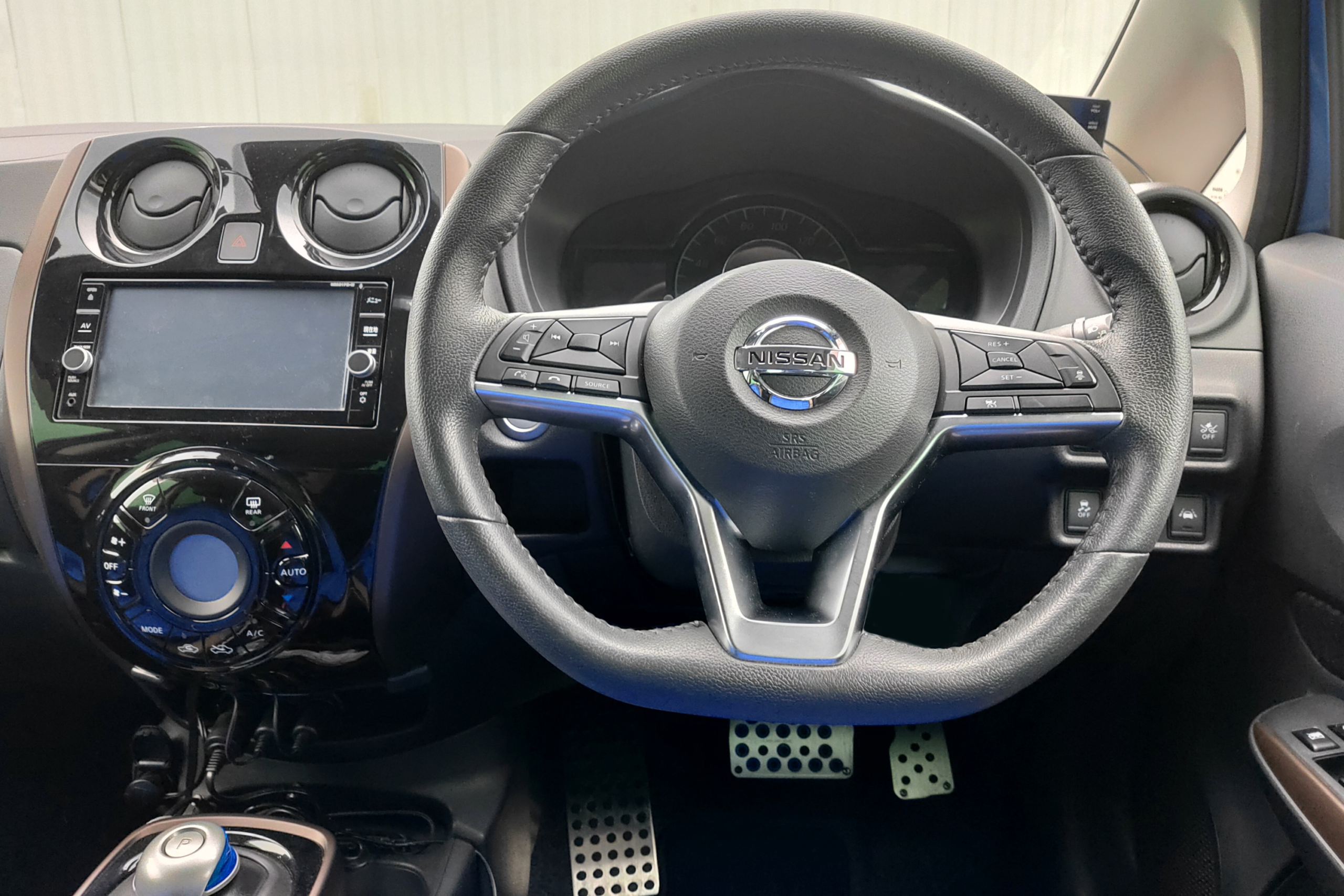
Driver State Assist is becoming a common phrase in modern car safety discussions.
It usually points to technology that watches for signs of driver inattention, drowsiness or reduced readiness.
That does not make the car self-driving.
It means the vehicle may warn, support or intervene when the driver appears less able to stay engaged.
What Driver State Assist Means
Driver State Assist describes vehicle systems designed to help detect whether the person behind the wheel appears alert, attentive and ready to drive. The exact name changes by brand, but the idea is similar: the car uses sensors, vehicle behavior or driver-facing monitoring to judge whether the driver may need a warning or support.
This can include attention monitoring, drowsiness alerts, lane-related driver warnings or readiness checks used alongside other driver assistance features. It is part of a broader family of advanced driver assistance systems, not a replacement for the driver.
The European Union’s General Safety Regulation includes driver drowsiness and attention warning among safety technologies for new vehicles in its framework for vehicle safety rules. Euro NCAP also evaluates safety assist technologies, including systems related to driver monitoring and assistance, in its testing protocols.
Why People Search For Driver State Assist
People usually search for Driver State Assist because the phrase appears in a vehicle spec sheet, dashboard message, review or dealer listing. The wording sounds technical, but the practical question is simple: what is the car watching, and what should the driver expect?
There are three common reasons for the search:
- A buyer wants to know whether the feature is useful or just another safety label.
- A driver sees a warning and wants to understand what the car is responding to.
- A shopper wants to compare driver monitoring with other driver assistance features.
The important point is that Driver State Assist should be read as a support feature. It may help the driver notice fatigue, distraction or reduced attention, but it does not remove the need to steer, brake, watch the road and follow local traffic laws.
How Driver State Assist Fits Into ADAS
Driver State Assist belongs under the wider umbrella of advanced driver assistance systems, often shortened to ADAS. IIHS describes ADAS as technologies that may help drivers avoid crashes or reduce crash severity, depending on the feature and situation.
Within that broader group, Driver State Assist is focused less on the road outside the car and more on the driver’s condition or readiness. Other ADAS features might watch lane markings, nearby vehicles or closing speeds. Driver-focused systems look for signs that the human driver may not be fully engaged.
That distinction matters. A lane alert may tell you the vehicle is drifting. A drowsiness or attention warning may tell you the driver appears less attentive. Both can be useful, but they are not the same signal.
What The System May Look For
Different vehicles can implement driver-state features in different ways, so the details depend on the model and market. In general, these systems may use one or more categories of information.
Some systems infer fatigue or inattention from driving behavior, such as steering patterns or lane position changes. Others may use cameras or sensors to monitor driver-facing cues. Some systems combine driver monitoring with other safety-assist features to decide when to warn the driver.
NHTSA treats drowsy driving as a real safety risk and notes that fatigue can affect attention and reaction time. That is the problem these features try to address: a driver may not always recognize reduced alertness quickly enough.
Practical Examples
Imagine a driver late at night who begins drifting within a lane and making uneven steering corrections. A driver-state feature may interpret the pattern as a possible sign of fatigue and show a warning.
In another case, a vehicle with driver attention monitoring may detect that the driver is not looking where expected for the driving situation. The system may issue an alert to bring attention back to the road.
A more advanced setup may connect driver monitoring with other assistance features. For example, if the car expects the driver to remain ready while using assistance technology, it may warn when the driver appears disengaged.
These examples are deliberately broad because automakers use different sensors, thresholds and warning styles. The owner’s manual for a specific vehicle is still the best place to understand exact messages, icons and limits.
What Driver State Assist Does Not Mean
Driver State Assist does not mean the vehicle can safely drive while the person stops paying attention. It also does not mean the car can diagnose fatigue, distraction or medical conditions with certainty.
A warning is not proof that the driver was unsafe. No warning is not proof that the driver was fully alert. The system is a support layer, not a complete judgment of human readiness.
It is also easy to confuse Driver State Assist with fully automated driving. That is the wrong frame. Most consumer-facing driver assistance features still rely on an attentive human driver, especially in ordinary road use.
How To Read The Feature In A Car Listing
When a car listing mentions Driver State Assist, look for the surrounding words. Phrases such as drowsiness warning, attention warning, driver monitoring, lane support or safety assist can clarify what the feature probably covers.
Then check whether the listing describes a warning system, a monitoring system or a broader assistance package. A warning-only feature may behave very differently from a system that is tied into adaptive cruise, lane centering or emergency support.
The most useful next step is to read the official owner guidance for that exact model. Look for what triggers alerts, what the dashboard messages mean and what the system says it cannot do.
Why This Technology Is Getting More Attention
Driver monitoring has become more visible because road-safety agencies, test programs and regulators are paying closer attention to driver attention and fatigue. The EU safety framework and Euro NCAP safety-assist protocols both show that driver-state features are part of the modern safety conversation.
There is also a practical reason. As cars add more assistance features, the driver’s role can become less obvious to casual buyers. Driver-state technology helps reinforce a basic rule: assistance features still need a responsible, ready driver.
That makes the feature relevant even for people who are not shopping for luxury vehicles. The question is no longer only whether a car can help steer or warn. It is also whether the car can help notice when the driver may not be ready enough.
Common Misconceptions
One misconception is that Driver State Assist is the same thing in every vehicle. It is not. Automakers can use similar labels for systems with different sensors, alerts and limitations.
Another misconception is that the system can always tell whether a driver is tired. It may detect patterns associated with reduced attention or drowsiness, but it should not be treated as a medical or personal condition detector.
A third misconception is that more alerts always mean more safety. Alerts can help, but a driver still needs to understand the vehicle’s limits and respond appropriately. Ignoring repeated alerts defeats the purpose of the feature.
When This Article Should Be Updated
This topic should be revisited when major safety-testing protocols, vehicle regulations or automaker naming conventions change. Updates are also useful when driver monitoring becomes standard in more vehicle classes or when official guidance changes how these systems are described.
A good update should focus on confirmed changes from regulators, safety organizations or automakers. It should not rely on rumors about future vehicle behavior or unsupported claims about crash reduction.
Read More
If you are comparing car technology with everyday digital controls, these TechNubo guides may help:
- How to Turn Off or Control Copilot in Microsoft 365 Apps
- What Copilot on Windows Can and Cannot Do With Your PC Settings
- How to Stop Apps From Tracking Your Location
FAQ
Is Driver State Assist the same as self-driving?
No. Driver State Assist is a driver-support feature. It may warn or assist, but it does not replace an attentive driver.
Can Driver State Assist detect drowsiness?
Some systems are designed to warn about possible drowsiness or reduced attention. The exact behavior depends on the vehicle and system design.
Why did my car show a driver attention warning?
The vehicle may have detected a pattern it associates with reduced attention or readiness. Check the owner’s manual for the exact warning meaning.
Should I rely on Driver State Assist on long trips?
No safety feature should replace rest, attention and safe driving habits. Treat alerts as support, not permission to push beyond fatigue.
Is Driver State Assist required on every car?
Requirements depend on market, vehicle category and timing. The EU safety framework includes driver drowsiness and attention warning in its vehicle safety rules, but buyers should check local rules and model-specific equipment.