
Toyota Safety Sense can make a Toyota feel more helpful, but it is not one fixed feature on every vehicle.
Its version, sensors, settings, and behavior can vary by model year, trim, market, and equipment.
That matters when you are shopping, troubleshooting a warning, or asking whether recent service affected driver-assistance systems.
Here is a practical way to understand the features, sensors, limits, and calibration context without treating the car as self-driving.

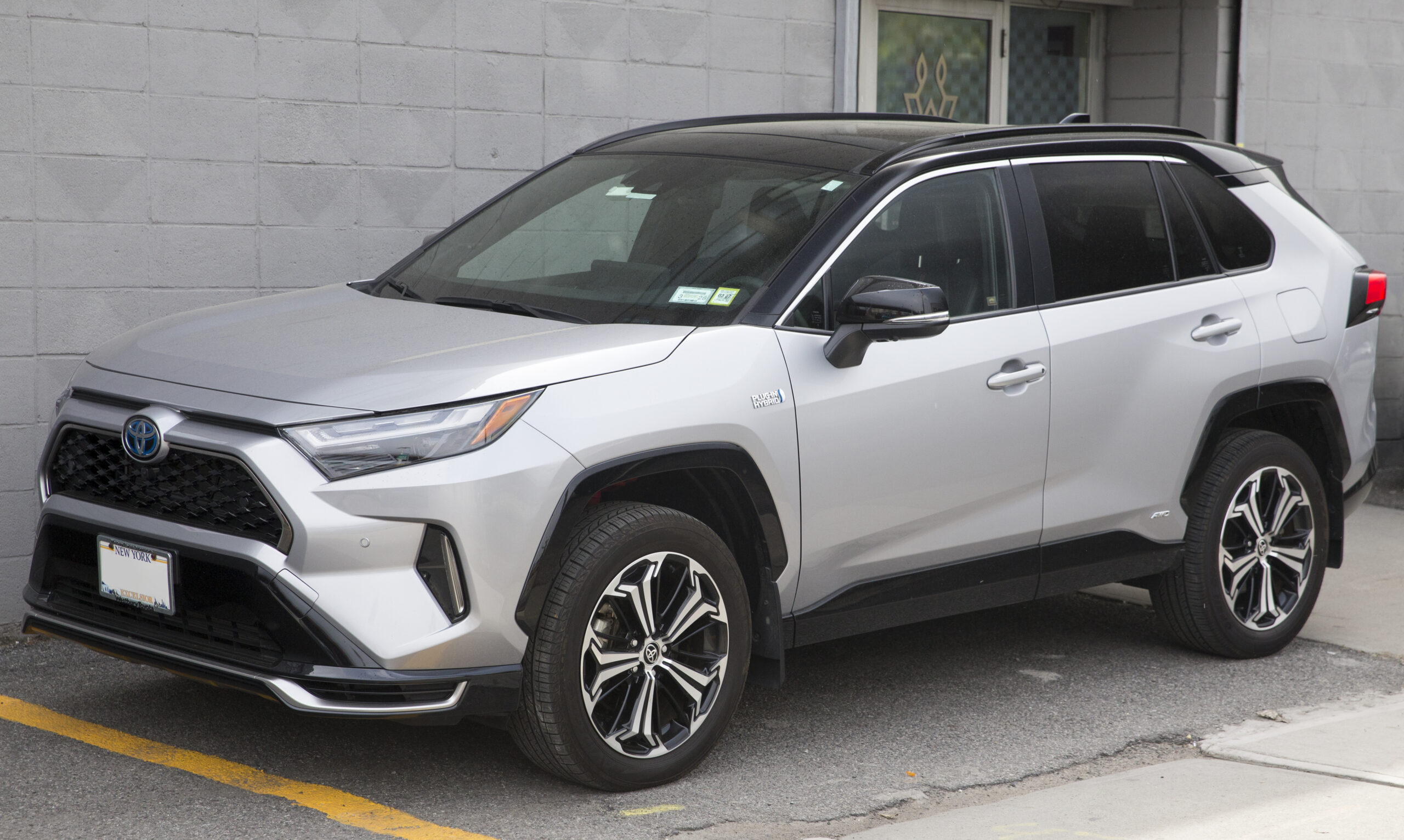
A 2024 Toyota RAV4 Prime XSE. Toyota Safety Sense features vary by model year, trim, market, and equipment. Photo: Mr.choppers, CC BY-SA 4.0, via Wikimedia Commons.
The Fast Answer
Toyota Safety Sense is Toyota’s name for a suite of advanced driver assistance systems, often shortened to ADAS. Depending on the vehicle and version, it may include features such as pre-collision assistance, lane support, adaptive cruise assistance, road sign assistance, proactive driving support, and automatic high beams.
The important point is that Toyota Safety Sense is not one universal package. Toyota has used different versions over time, and the exact feature list depends on the vehicle, model year, market, trim, and equipment.
Toyota’s own Safety Sense materials describe the suite as driver assistance technology. NHTSA guidance on driver-assistance systems makes the same broader point: these systems support the driver, but the driver remains responsible for the driving task.
Calibration matters because Toyota Safety Sense depends on sensors and software. If a camera, radar unit, windshield, bumper, suspension component, or front-end area is disturbed during service or repair, the owner should ask a qualified service provider whether ADAS inspection or calibration is relevant for that specific vehicle.
Why Toyota Safety Sense Matters
Toyota Safety Sense matters because many owners interact with it every day without thinking about the underlying technology.
A warning on the instrument cluster, a lane support icon, adaptive cruise behavior, automatic high beams, or a road sign display may all feel like ordinary vehicle features. Under the surface, they can depend on camera input, radar input, vehicle speed, steering context, software logic, and system settings.
That creates two common reader problems.
First, shoppers may assume every Toyota with Toyota Safety Sense has the same features. That can lead to confusion when one vehicle has a different version, different settings, or different driver-assistance behavior than another.
Second, owners may not know when a service event should raise an ADAS question. A windshield replacement, collision repair, front bumper job, suspension change, or sensor-related warning does not create the same answer for every Toyota. It does mean the owner should ask better questions instead of guessing.
What Toyota Safety Sense Means
Toyota Safety Sense is best understood as a branded family of safety and driver-assistance features, not as a promise that every supported vehicle behaves the same way.
Toyota has released multiple Safety Sense versions. Newer materials may describe newer feature sets, while older vehicles may have earlier versions or fewer functions. Availability can also differ by market and equipment.
That is why the exact label in a brochure, window sticker, owner’s manual, or Toyota support page matters. Two vehicles may both mention Toyota Safety Sense while still having different feature combinations.
For a consumer, the useful question is not only, "Does this Toyota have Safety Sense?" A better question is: "Which version and which features does this specific vehicle include?"
Common Toyota Safety Sense Features
The exact list can vary, but Toyota Safety Sense materials commonly group several driver-assistance functions under the suite.
Pre-Collision Assistance
Pre-collision features are designed to help detect certain forward hazards and support the driver with alerts or braking assistance in defined conditions.
This does not mean the vehicle can avoid every crash. Lighting, weather, road shape, speed, object type, sensor visibility, and system limits can all affect performance.
Lane Support
Lane-related features can help warn the driver or provide steering support in certain lane-marked situations, depending on the Toyota Safety Sense version and vehicle.
These features are not a substitute for holding the steering wheel, watching the road, and controlling the vehicle. Poor lane markings, construction zones, curves, glare, rain, snow, or road debris can change what the system can detect.
Adaptive Cruise Assistance
Dynamic or adaptive cruise assistance can help maintain a set speed and following distance in certain conditions. The exact behavior depends on the system version and vehicle setup.
Drivers still need to manage traffic, braking, steering, lane changes, road hazards, and system warnings. Adaptive cruise is assistance, not automated driving.
Road Sign Assistance
Road sign assistance may help display certain detected signs or speed-limit information when the vehicle and market support it.
Treat it as helpful context, not as the final authority. Posted signs, local rules, temporary construction signs, navigation data, and actual road conditions still matter.
Automatic High Beams
Automatic high beam systems can switch headlight behavior in some nighttime conditions when the system detects vehicles or lighting conditions.
Sensor visibility, weather, road layout, traffic, and driver settings can affect behavior. The driver remains responsible for using lights appropriately.
Proactive Driving Support
Some newer Toyota Safety Sense materials describe proactive driving support features. Depending on the vehicle, these may assist with certain steering or braking support situations.
The practical takeaway is the same: check the version and vehicle documentation. Do not assume a feature exists just because another Toyota has it.
Sensors And Software: How It Works
Toyota Safety Sense depends on sensors, vehicle software, and driver inputs working together.
Many Toyota Safety Sense systems use a forward-facing camera and millimeter-wave radar, though the exact sensor setup can differ by vehicle and version. The camera may support lane, sign, vehicle, pedestrian, cyclist, or road-shape detection depending on the system. Radar may support distance and relative-speed awareness in certain situations.
Those inputs are processed by vehicle software. The software decides when to alert the driver, when to display information, and when assistance may be available under the system’s operating conditions.
That is why ADAS behavior can feel inconsistent if the driver expects it to work like a simple switch. A feature may be available in one situation and limited in another because the road, speed, markings, weather, lighting, sensor visibility, or system state changed.
It is also why sensor condition matters. Dirt, ice, damage, misalignment, windshield issues, bumper work, or warning messages can affect whether the system has the information it needs.
What Owners Should Check First
Before assuming Toyota Safety Sense is broken, start with the specific vehicle.
Check the owner’s manual, Toyota app information if available, vehicle settings, instrument cluster messages, and the model’s official feature listing. Look for the exact Toyota Safety Sense version and the exact feature names installed on that vehicle.
Then compare the situation to the system’s normal limits. Ask what changed before the warning or behavior appeared.
Did the windshield get replaced? Was there front-end repair? Was the bumper removed? Was suspension or wheel alignment work performed? Is the weather affecting visibility? Are lane markings faded or missing? Is the camera or radar area dirty, blocked, or damaged? Did a warning message appear after service?
Those observations do not diagnose the vehicle by themselves. They help you describe the issue clearly when reading the manual, contacting Toyota support, or speaking with a qualified service department.
Calibration: When To Ask About It
Calibration is the process of making sure an ADAS sensor or related system is aligned and interpreted correctly for the vehicle. The exact requirements depend on the vehicle, system, repair, service information, and equipment involved.
For Toyota Safety Sense, calibration questions are most relevant after work that could affect the sensor view or sensor position. Examples can include windshield replacement, collision repair, front bumper work, radar area repair, suspension changes, alignment-related work, or service after sensor warning messages.
The right owner question is not, "Can I calibrate this myself?" It is, "Does this specific Toyota require ADAS inspection or calibration after this service?"
I-CAR calibration context is useful here because it explains why collision repair and ADAS work can depend on vehicle-specific repair procedures. A seemingly ordinary repair can matter if it changes how a camera or radar unit sees the road.
Owners should avoid treating calibration as a generic add-on or a universal requirement. The safer approach is to ask for vehicle-specific guidance from qualified service or repair professionals.
Practical Questions To Ask A Service Provider
When Toyota Safety Sense is involved, vague questions lead to vague answers. Bring the vehicle details and describe the event clearly.
Useful questions include:
- Which Toyota Safety Sense version does this vehicle have?
- Which sensors are involved in the affected feature?
- Did this repair disturb the windshield, camera, radar, bumper, suspension, or alignment-related areas?
- Does Toyota service information call for inspection or calibration after this type of work?
- Are there stored warnings or messages related to driver-assistance systems?
- Will the final paperwork state what ADAS checks or calibration steps were considered?
These questions do not force a specific outcome. They help you avoid leaving the shop with an unanswered safety-system concern.
Common Mistakes To Avoid
The first mistake is assuming Toyota Safety Sense is self-driving technology. It is driver assistance. The driver still has to steer, brake, observe traffic, and respond to road conditions.
The second mistake is assuming all Toyota vehicles have the same features. A Corolla, RAV4, Camry, Tacoma, Highlander, Prius, or other Toyota may have a different Safety Sense version depending on year, trim, market, and equipment.
The third mistake is ignoring sensor-related warnings after service. A message after windshield, bumper, front-end, alignment, or collision work is worth asking about promptly.
The fourth mistake is treating calibration as a fixed-price universal service. Calibration context depends on the vehicle and work performed. Exact cost, procedure, and need should come from qualified service guidance for that vehicle.
The fifth mistake is expecting ADAS features to behave perfectly in poor conditions. Cameras and radar can be affected by visibility, road markings, weather, dirt, glare, damage, traffic, and system limits.
Cost And Service Context
Toyota Safety Sense can affect ownership costs indirectly because some repairs may involve ADAS inspection or calibration questions.
A basic windshield or bumper job may become more complex if the vehicle’s camera, radar, or sensor mounting area is involved. Collision repair can also raise ADAS questions because sensor position and alignment matter.
That does not mean every repair will require the same work. It also does not mean every warning is expensive. The useful point is to ask early, document the symptoms, and make sure the service provider is considering the specific Toyota system installed on the vehicle.
For shoppers, the same logic applies before purchase. Ask which Toyota Safety Sense version the vehicle has, which features are included, and whether any driver-assistance warnings are present. If you are buying used, service history and warning messages matter more than marketing language alone.
Related Articles
- Toyota App Not Connecting to Car: Causes and Fixes
- 2026 Honda CR-V Hybrid: SUV Hybrid Tech and Safety Systems
- BYD Smart Driving Technology Explained: Features, Safety & How It Works
- Car Software Issues: How Bad Are They and When Should You Worry?
FAQ
Is Toyota Safety Sense the same on every Toyota?
No. Toyota Safety Sense varies by vehicle, model year, market, trim, equipment, and version. Always check the exact vehicle documentation.
Is Toyota Safety Sense self-driving?
No. Toyota Safety Sense is driver assistance technology. The driver remains responsible for steering, braking, observing traffic, and controlling the vehicle.
What sensors does Toyota Safety Sense use?
Many Toyota Safety Sense systems use camera and radar inputs, but the exact sensor setup depends on the vehicle and system version.
When should I ask about Toyota Safety Sense calibration?
Ask after work that may affect sensor view or position, such as windshield replacement, front-end repair, bumper work, collision repair, suspension changes, or sensor warnings.
Where can I confirm my Toyota Safety Sense features?
Use the owner’s manual, official Toyota vehicle materials, window sticker details, Toyota support resources, and qualified service guidance for the specific vehicle.